

 HERMISTON TRACK & FIELD: MORE THAN SUCCESS – BY CATE DOHERTY, HERMISTON HS (’26)
 How should a successful athletic program be defined? Is it measured by state titles and records, or is it simply about athletes enjoying themselves? Perhaps the true answer lies in something broader: creating an environment where athletes of all abilities feel welcomed, supported, and valued. Hermiston High School’s track program demonstrates that success is not limited to one definition, but instead is built on a balance of achievement, enjoyment, and community.
One of the most compelling aspects of the program is the legacy of its coaches. Many have come through the program themselves, competed at the Division I level, and then returned to give back. This continuity creates a culture rooted in experience, mentorship, and pride. Head coach Stephanie Miears, a former Division I athlete, emphasizes the importance of this environment. She explains that while competition matters, the most meaningful memories come from relationships and a sense of belonging. This philosophy shapes her approach to coaching, where athletes are encouraged not only to improve, but also to feel part of something larger than themselves.
Even for those who are not directly part of the track team, the program’s impact on school culture is clear. Its influence extends beyond the track, fostering connections with other sports and activities. Track athletes support other teams, whether it is partnering with the boys’ soccer program or taking time during practice to cheer on the tennis team. These actions reflect a culture built on inclusion and mutual respect, reinforcing the idea that athletics can unify a school community.
This year, the program has taken additional steps to strengthen that sense of inclusion by creating more opportunities for special education students to participate alongside other athletes. This initiative highlights the program’s commitment to growth, not just in performance, but in character and community. It shows that success is not static, but something that evolves through intentional effort and reflection.
Coach Miears also stresses the importance of balancing high expectations with genuine care. Athletes are held accountable for their effort, punctuality, and support of teammates, but they are also reminded that they are part of a group that values them as individuals. Maintaining this balance between competition and support can be challenging, but traditions such as team warm ups, shared workouts, and collective accountability help sustain it.
Ultimately, the Hermiston track program is guided by a clear purpose. Success is not defined solely by victories, but by the development of athletes into better teammates and better people. As Coach Miears explains, “At the end of the day, if our athletes leave the program not only better competitors but better teammates and people, then we’ve done our job.”
 BLACK ATHLETES ARE MUCH MORE THAN THEIR SPORT









 When I first started playing sports, I never thought about the last time I would play a basketball game, race a 5K, or compete in a track meet. As someone who has identified as an athlete for as long as I can remember, grappling with the idea of my last high school sports games has been incredibly difficult. To be honest, I think I’m still in denial about never playing an organized basketball game again. Earlier this year, I made the difficult decision to prioritize academics over athletics in college, and the emotional weight of that decision still sits heavily on me. It’s forced me to ask questions I hadn’t considered before: Who am I without being an athlete? How do I separate my identity from the only label that’s ever really stuck? Without realizing it, sports had become the framework of how I view myself. So maybe the better question isn’t “Who am I without sports?” Maybe it’s simply “Who am I, really?”

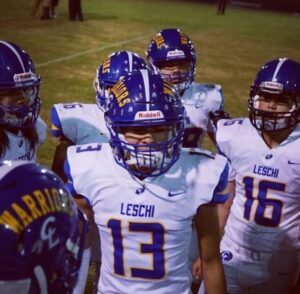 Chief Leschi Schools is a K-12 institution consisting of elementary, middle, and high school levels. It is an all-Native American school that strongly embodies its culture and athletics. I played football, basketball, and ran track. As athletes of this school, we carry much more with us than just our gear or game faces; we carry years of tradition and the pride of our ancestors. As students and athletes, we are consistently reminded of this through a practice we call “circle.” At circle, we engage in our culture by singing songs and dancing. Many of our athletes participate, while some choose to drum, and others opt to sing. In our school’s logo, you may notice feathers. A feather in Native American culture symbolizes many things, such as pride, protection, understanding, and faith, all of which are very important to our school and community. We display these symbols on our jerseys and uniforms, showcasing our culture. There are many times I recall being proud to showcase my school pride and culture. When I was sent off from school to the WIAA Track and Field state championships in Yakima, I felt immense support and pride walking those halls, accompanied by the songs I grew up with. These are the same songs I remember from childhood. We drum out all of our athletes for state to show respect and honor for demonstrating what it means to be a Chief Leschi Warrior.